“Abba, Amma, Adonai,” Peter and I recited, the Lord’s Prayer flowing from our lips as we read from the Koora Retreat Centre prayer books.
We were sitting in Peter’s home, a train car remodeled into a one-bedroom house with large, beautiful windows that looked out into the Western Australian bush. Outside was sheer wilderness—shimmering golden-brown dirt, scrappy bushes with thick leaves, a few thin trees twisting toward the sky. Birds soared in swirls of heat above.
Peter, a retired Anglican priest with a white, bushy beard, and his wife Anna (also an Anglican priest) run the desert retreat center, which I stumbled across last February. I returned in October to spend a month with them.
I joined them in their railway carriage for morning prayer at 7:30 a.m. each day, and though Anna was out of town this particular morning, Peter and I decided to meet anyway. Somehow, our conversation had turned to gender.
“So Anna tells me you use the pronoun ‘they,'” he’d said after we’d finished our Bible readings and before we’d launched into prayers of the community. Soon we’d run the gamut from the spectrum of gender to the limits of English pronouns.
Peter admitted he struggled with “they” as a pronoun but said, “To me, you’re just Alexis.”
We closed our prayer books after finishing the Lord’s Prayer and offering blessings to one another.
“That’s you,” Peter said a few moments after we finished.
“What’s that?” I asked.
“Adonai.” He paused. “Well, it’s like ‘beloved.’ But it’s not male or female like the others.”
Abba, father. Amma, mother. Adonai.
He told me about the words for God–how the names the Hebrews had for God reflected God’s characteristics. El Shaddai–God’s nurturing and sustaining nature. Yahweh–God’s unchangeable, everlasting nature. Adonai–a loving bond.
“Yes,” Peter said, as I collected his prayer book from him and stacked on the bookshelf beside my chair. “Maybe the Hebrews had it right.”

Continue reading “Abba, Amma, Adonai: An Australian Journey in Gender”

 I’m gonna be honest—this is my second time reading this book, and I read it before the election results were announced. I’d filled out my absentee ballot. I’d scanned and sent it from the
 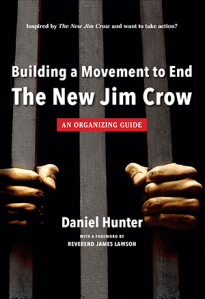 After the election, I felt pretty powerless in terms of how to respond and also realized I needed to learn more about engaging with the racial justice movement and integrating anti-racism work into my other advocacy. This book was a great primer for me regarding work being done to end the prison industrial complex (and its inherent racism) as well as an awesome guide for movement-building in general. I recommend it for anyone working in advocacy and activism and for all my non-profit sector friends. Find out more online
  you are (queer) here